No-Load Speed Explained: What It Means for Table Saws
As an Amazon Associate we earn from qualifying purchases. Links on this page are affiliate links.
Understanding No-Load Speed Specs
No load speed explained is the first step in understanding motor performance. This spec tells you how fast the blade spins when the saw is running but not cutting anything. It is a baseline measurement. You will see this number listed prominently on product pages and in specification sheets. It helps you compare different models quickly.
The value represents the maximum rotational speed of the blade. For most table saws in this category, you will find two common ranges. Some units operate at 5000 RPM. Others run at 3576 RPM. These numbers are not arbitrary. They reflect the gear reduction inside the motor housing. A higher number does not always mean a better saw. It simply indicates a different design approach.
Why does this matter to you? The speed affects how the blade interacts with the wood. Higher speeds can produce cleaner cuts in thin materials. They also remove chips from the kerf faster. However, the load speed is what truly matters during a cut. When you push wood through the blade, friction slows it down. A robust motor maintains its speed under pressure. This is where torque and motor power come into play.
The no load figure gives you a reference point. It shows the potential of the drive system. If you are cutting dense hardwoods, you want a motor that does not bog down. The gap between no load and full load speed indicates motor strength. A smaller drop means a stronger motor. A larger drop suggests a lighter duty motor.
Use this spec to filter your options. Compare the numbers side by side. Do not assume one is superior without checking other factors like motor horsepower and blade diameter. The right choice depends on your specific cutting needs. This number is just one part of the equation. It sets the stage for how the saw performs in your workshop.
No-Load Speed Options Compared
5000 RPM
This speed indicates a faster blade rotation when the saw is not under load. You will see this on higher-amperage tools like the 15-amp MarvTool 10-Inch Sliding Compound Miter Saw or the VEVOR 10-Inch Table Saw with Stand. The higher RPM allows for quicker material removal during cuts. It suits users who prioritize cutting efficiency and speed for standard woodworking tasks. The trade-off is that these tools often require more power and may be heavier or less portable than slower alternatives. You get raw velocity, but you may sacrifice some fine finish quality or complex angle flexibility depending on the specific model design.
3576 RPM
This lower no-load speed is typical for lighter, more portable saws. You will find this spec on 6.7-amp models like the ExploreHorizon 8-Inch Compact Table Saw or the TrailBlaze 8-Inch Jobsite Table Saw. The reduced RPM often correlates with a lighter motor and overall tool weight, making it easier to transport to job sites. It fits hobbyists and DIYers who move their tools frequently and cut smaller pieces. The trade-off is slower cutting performance compared to high-RPM units. It is not ideal for professionals needing maximum speed or wide rip capacity, but it offers a practical balance of portability and sufficient power for light-duty tasks.
Who Needs High No-Load Speed
Who needs it
You need high no-load speed if you cut dense hardwoods or thick stock frequently. A higher baseline rotation, such as 5000 RPM, helps the blade maintain momentum when it encounters resistance. This reduces the chance of the motor bogging down during deep cuts. You will notice less strain on the motor because the blade starts with more kinetic energy. This is critical for precision work where kickback is a concern. Faster initial spin allows for cleaner entry into the material. If you run your saw for long periods, this spec supports sustained performance. You get smoother cuts with fewer interruptions. Prioritize this number if your projects involve demanding materials or continuous operation. It ensures your tool handles the workload without losing efficiency.
Who can skip it
You can ignore this spec if you mainly cut softwoods or thin sheet goods. Lower no-load speeds, like 3576 RPM, are sufficient for these lighter tasks. You will not feel a significant difference in cut quality for everyday projects. Instead, prioritize motor amperage and torque. These factors determine how well the saw handles load. High RPM does not compensate for weak power under pressure. You should also look at blade quality and arbor size. A sharp blade matters more than raw speed for most users. Focus on the saw’s stability and fence accuracy. These elements affect your results more than the no-load number. You save time by checking these practical features first. Your cuts will be straight and safe regardless of the RPM.
No-Load Speed Glossary
No-Load Speed
The rotational speed of the blade when the motor runs without cutting material. It serves as a baseline for motor performance and potential cutting power under load.
RPM
Revolutions per minute. It measures how many full turns the blade makes in one minute. Higher numbers generally indicate faster cutting potential for certain materials.
Blade Diameter
The size of the saw blade, typically 10 inches for table saws. Larger diameters allow for deeper cuts but may affect the maximum no-load speed of the motor.
Amperage
The electrical current the motor draws, often 15 amps for professional tools. Higher amperage usually supports higher no-load speeds and sustained power during heavy cuts.
Horsepower
A unit of power rating for the motor. It indicates the strength available to maintain no-load speed when the blade encounters resistance from dense wood.
Rip Capacity
The maximum width of material the saw can cut parallel to the blade. While unrelated to speed, it defines the workspace limits for your projects.
Mounting Style
How the saw is installed, such as cabinet or contractor. This affects stability, which helps maintain consistent no-load speed by reducing vibration during operation.
Filtration Rating
A measure of dust collection efficiency. Good filtration keeps the motor area clean, preventing debris from affecting motor performance and maintaining optimal no-load speed.
Quick picks
| # | Product | Best for | Price |
|---|---|---|---|
| 1 | MarvTool 10-Inch Sliding Compound Miter Saw | High-speed single bevel cutting tasks | Check price of MarvTool 10-Inch Sliding Compound Miter Saw on Amazon |
| 2 | ExploreHorizon 8-Inch Compact Table Saw | lightweight DIY cutting under 31 pounds | Check price of ExploreHorizon 8-Inch Compact Table Saw on Amazon |
| 3 | MarvTool 10-Inch Compound Miter Saw | fast cutting of wood and soft metal | Check price of MarvTool 10-Inch Compound Miter Saw on Amazon |
| 4 | TrailBlaze 8-Inch 6.7-Amp Table Saw | portable jobsite cutting and DIY tasks | Check price of TrailBlaze 8-Inch 6.7-Amp Table Saw on Amazon |
| 5 | VEVOR 10-Inch 15-Amp Table Saw with Stand | High-speed cutting and portability | Check price of VEVOR 10-Inch 15-Amp Table Saw with Stand on Amazon |
| 6 | PioneerWorks 8-Inch Portable Table Saw | portable DIY cutting tasks | Check price of PioneerWorks 8-Inch Portable Table Saw on Amazon |
Our 6 picks
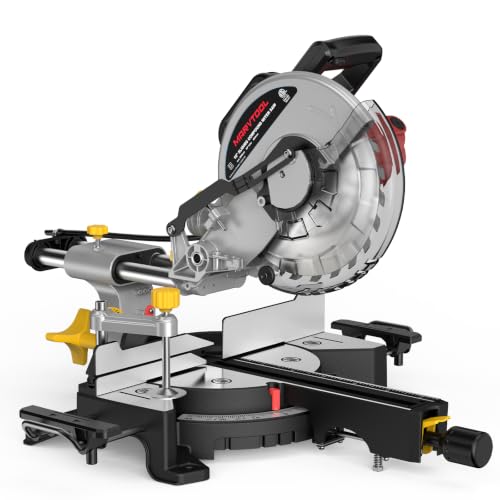
MarvTool 10-Inch Sliding Compound Miter Saw
Best for: High-speed single bevel cutting tasks
- No-Load Speed
- 5000 RPM (what this guide is about)
- Blade Diameter
- 10-inch
- Amperage
- 15 Amp
- Dimensions
- 25.3 × 18.5 × 20.4 inches
- Weight
- 25.6 pounds
View on Amazon: MarvTool 10-Inch Sliding Compound Miter Saw Affiliate link
This Marvtool miter saw features a 10-inch blade and a 15-amp motor running at 5000 RPM no-load speed. It supports single bevel cuts from 0° to 45° and left miter angles up to 45°. The unit weighs 25.6 lbs and includes extension tables. It suits users needing high-speed cutting for trim and framing projects.
Pros
- 5000 RPM no-load speed for efficient cutting
- 15-amp motor provides consistent power
- 10-inch blade diameter handles larger stock
- Includes 36TCT blade and extension tables
Cons
- Single bevel design limits complex compound cuts
- Heavier build at 25.6 lbs reduces portability
- Handle removed for shipping requires assembly
Good fit if
- You need high no-load speed for fast cuts
- You work with standard 10-inch blade tools
- You require left-side miter adjustment
Skip if
- You need double bevel cutting capability
- You require a lightweight portable tool under 20 lbs
- You prefer a ready-to-use tool without assembly
Verdict: Marvtool 10-inch Sliding Miter Saw delivers 5000 RPM cutting speed for users prioritizing efficiency over dual-bevel flexibility. It fits those who value a 15-amp motor and included accessories for standard woodworking tasks.

ExploreHorizon 8-Inch Compact Table Saw
Best for: lightweight DIY cutting under 31 pounds
- No-Load Speed
- 3576 RPM (what this guide is about)
- Blade Diameter
- 8"
- Amperage
- 6.7 A
- Intended Use
- Jobsite, DIY Projects
- Dimensions
- 18 × 15 × 22 inches
- Weight
- 30.6 pounds
View on Amazon: ExploreHorizon 8-Inch Compact Table Saw Affiliate link
This ExploreHorizon table saw features an 8-inch blade and a 6.7-amp copper motor. It runs at 3,576 RPM, which is slower than the 5,000 RPM models on this list. The unit weighs 30.6 pounds and includes a carry handle for portability. It offers 90-degree cross cuts and 0-45-degree bevel cuts. The dust collection system claims a 98.5% capture rate. This saw suits DIYers who prioritize weight savings over maximum speed.
Pros
- 3,576 RPM no-load speed for consistent cutting
- 6.7-amp pure copper motor for reliable power
- 8-inch blade diameter for standard jobsite use
- 30.6-pound weight with carry handle for portability
- 98.5% dust collection rate for cleaner workspaces
Cons
- Slower 3,576 RPM speed compared to 5,000 RPM competitors
- Smaller 8-inch blade limits cut capacity versus 10-inch models
- Lower 6.7-amp motor rating compared to 15-amp options
Good fit if
- You need a lightweight saw under 31 pounds for frequent transport
- You perform DIY projects that do not require high-speed cutting
- You prefer an 8-inch blade for smaller materials
Skip if
- You require the fastest cutting speed available at 5,000 RPM
- You need to rip wide boards using a 10-inch blade
- You want a high-amperage 15-amp motor for heavy-duty work
Verdict: ExploreHorizon 8-Inch Jobsite Table Saw offers a lighter, slower alternative for users who value portability over raw speed. It fits hobbyists who move their tools often and cut smaller pieces. It is not ideal for professionals needing maximum RPM or wide rip capacity.

MarvTool 10-Inch Compound Miter Saw
Best for: fast cutting of wood and soft metal
- No-Load Speed
- 5000 RPM (what this guide is about)
- Blade Diameter
- 10 in
- Amperage
- 15 A
- Dimensions
- 19.5 × 16.5 × 15 inches
- Weight
- 20.5 pounds
View on Amazon: MarvTool 10-Inch Compound Miter Saw Affiliate link
This Marvtool compound miter saw features a 15-amp motor and a no-load speed of 5000 RPM. It uses a 10-inch blade with a 36-tooth count. The design allows for left miter angles up to 45° and bevel cuts from 0° to 45°. Weighing 20.5 lbs, it includes extension tables and a dust collection bag. It suits users needing high-speed cutting for wood or soft metal in a portable package.
Pros
- 15-amp motor delivers 5000 RPM no-load speed
- 10-inch blade diameter for standard cutting capacity
- Supports 0-45° left miter and bevel adjustments
- Includes two extension tables and dust bag
Cons
- Single bevel capability limits complex angle cuts
- 36-tooth blade count is low for fine finishes
- Only 2-year warranty coverage included
Good fit if
- You need high RPM for fast cutting through wood
- You require a portable saw under 21 lbs
- You work with soft metals or standard lumber
Skip if
- You require double bevel cutting capabilities
- You need a high-tooth-count blade for fine detail
- You prefer a saw with a longer warranty
Verdict: Marvtool 10-Inch 5000 RPM Miter Saw offers high speed for users who prioritize cutting velocity over fine finish quality or complex bevel angles.

TrailBlaze 8-Inch 6.7-Amp Table Saw
Best for: portable jobsite cutting and DIY tasks
- No-Load Speed
- 3576 RPM (what this guide is about)
- Blade Diameter
- 8-Inch
- Amperage
- 6.7-Amp
- Intended Use
- Jobsite, DIY Projects
- Dimensions
- 14 × 14 × 13 inches
- Weight
- 31.3 pounds
View on Amazon: TrailBlaze 8-Inch 6.7-Amp Table Saw Affiliate link
This TrailBlaze table saw features a 6.7-amp copper motor running at 3576 RPM. It uses an 8-inch blade and weighs 31.3 pounds for portability. The unit includes a particulate collection system and safety guards. It suits jobsite work and DIY projects where moderate speed and compact size matter more than high-speed cutting.
Pros
- 3576 RPM no-load speed for steady cutting
- 6.7-amp pure copper motor for reliable power
- 31.3-pound weight with carry handle for portability
- 98.5% particulate removal rate for cleaner work
Cons
- 8-inch blade offers less capacity than 10-inch models
- 3576 RPM is slower than 5000 RPM competitors
- No rip fence or miter gauge included in specs
Good fit if
- You need a lightweight saw for job sites
- You prefer slower, controlled cutting speeds
- You work with smaller stock materials
Skip if
- You require high-speed cutting at 5000 RPM
- You need to rip large sheets of plywood
- You want a full-sized 10-inch blade setup
Verdict: The TrailBlaze 8-Inch Jobsite Table Saw delivers steady performance at 3576 RPM for users prioritizing portability and safety over raw speed. It is a practical option for DIYers and job site workers who do not need the capacity of a 10-inch saw.
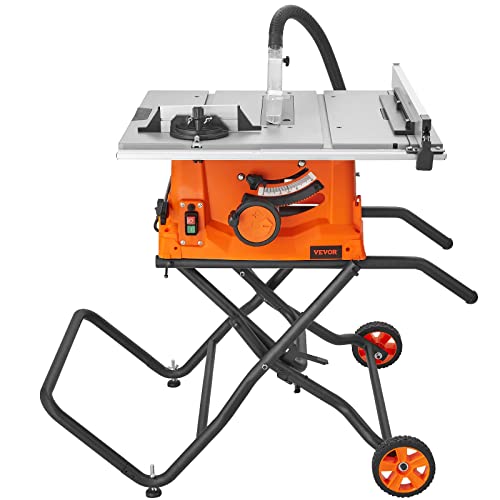
VEVOR 10-Inch 15-Amp Table Saw with Stand
Best for: High-speed cutting and portability
- No-Load Speed
- 5000 RPM (what this guide is about)
- Blade Diameter
- 10-inch
- Rip Capacity
- 25-in
- Amperage
- 15 Amp
- Dimensions
- 50.8 × 22.7 × 41.3 inches
- Weight
- 59.4 pounds
View on Amazon: VEVOR 10-Inch 15-Amp Table Saw with Stand Affiliate link
This VEVOR table saw features a 15-amp motor and a 10-inch blade, delivering a no-load speed of 5000 RPM. It offers a 25-inch rip capacity and includes a stand for portability. The design includes a dust port and blade guard for safety. It suits users needing high-speed cutting for DIY projects or jobsite work. The compact, foldable frame aids in storage and transport.
Pros
- 15-amp motor for high power
- 5000 RPM no-load speed
- 25-inch rip capacity
- Foldable stand for portability
Cons
- 59.4 pounds is heavy for frequent moves
- Single bevel adjustment limits angle options
- 40-tooth blade suits general cuts only
Good fit if
- You need a fast 5000 RPM cutting speed
- You require a 25-inch rip capacity
- You want a portable saw with a stand
Skip if
- You need dual bevel capability
- You prefer a lighter saw under 50 pounds
- You require a high-tooth-count blade for finish work
Verdict: VEVOR 10-inch 15-Amp Table Saw fits users who prioritize a fast 5000 RPM motor and a 25-inch rip capacity for general woodworking. It is a solid choice for those who need a portable unit with a stand.

PioneerWorks 8-Inch Portable Table Saw
Best for: portable DIY cutting tasks
- No-Load Speed
- 3576 RPM (what this guide is about)
- Blade Diameter
- 8"
- Amperage
- 6.7 A
- Intended Use
- Jobsite, DIY Projects
- Dimensions
- 14 × 13.5 × 13 inches
- Weight
- 15 pounds
View on Amazon: PioneerWorks 8-Inch Portable Table Saw Affiliate link
This PioneerWorks table saw features a 6.7-amp copper motor and an 8-inch blade. It runs at a no-load speed of 3576 RPM. The unit weighs 15 pounds and includes a carry handle for portability. It offers adjustable height and a 0-45 degree bevel range. The dust collection system claims a 98.5% rate. This compact saw suits jobsite use and DIY projects.
Pros
- 6.7-amp copper motor for reliable power
- 3576 RPM no-load speed for efficient cutting
- 15-pound weight with carry handle for portability
- Adjustable height and 0-45 degree bevel cutting
Cons
- 8-inch blade diameter limits cut capacity compared to 10-inch models
- 3576 RPM speed is lower than 5000 RPM alternatives
- No rip fence or miter gauge included in specs
Good fit if
- You need a lightweight saw for transport
- You work on small DIY woodworking projects
- You require adjustable bevel angles for cuts
Skip if
- You need high-speed cutting at 5000 RPM
- You require a 10-inch blade for larger stock
- You need a heavy-duty jobsite saw with stand
Verdict: PioneerWorks 8-Inch Jobsite Table Saw fits users who prioritize portability and adjustable angles over raw speed and large capacity. It is a compact option for light-duty tasks.
Specifications side by side
| Spec | MarvTool 10-Inch Sliding Compound Miter Saw | ExploreHorizon 8-Inch Compact Table Saw | MarvTool 10-Inch Compound Miter Saw | TrailBlaze 8-Inch 6.7-Amp Table Saw | VEVOR 10-Inch 15-Amp Table Saw with Stand | PioneerWorks 8-Inch Portable Table Saw |
|---|---|---|---|---|---|---|
| Blade Diameter | 10-inch | 8" | 10 in | 8-Inch | 10-inch | 8" |
| Rip Capacity | not stated | not stated | not stated | not stated | 25-in | not stated |
| Amperage | 15 Amp | 6.7 A | 15 A | 6.7-Amp | 15 Amp | 6.7 A |
| No-Load Speed | 5000RPM | 3,576 RPM | 5000 RPM | 3576 RPM | 5000 RPM | 3576 RPM |
| Intended Use | not stated | Jobsite, DIY Projects | not stated | Jobsite, DIY Projects | not stated | Jobsite, DIY Projects |
| Dimensions | 25.3 × 18.5 × 20.4 inches | 18 × 15 × 22 inches | 19.5 × 16.5 × 15 inches | 14 × 14 × 13 inches | 50.8 × 22.7 × 41.3 inches | 14 × 13.5 × 13 inches |
| Weight | 25.6 pounds | 30.6 pounds | 20.5 pounds | 31.3 pounds | 59.4 pounds | 15 pounds |
| Size | 10" | not stated | not stated | not stated | 25.4cm-2000W | not stated |
| Color | Black Yellow | Black | Gris | Orange | Orange & Black | Grey |
| Model | JS-1013C4 | zj1g3zvcw84a-RvGp0q71w4I | JS-1017C3 | zsr6R0MGQUbXgHHPK7ua9lpAX4r | Table Saw with Stand | 01 |
Frequently asked questions
Does higher no-load speed always mean better cuts?
Not necessarily. Higher speeds like 5000 RPM improve efficiency for soft woods but may reduce finish quality. The MarvTool 10-Inch Compound Miter Saw offers this speed for velocity over fine detail. Slower saws at 3576 RPM, like the ExploreHorizon, often provide more control for delicate work.
How does blade diameter affect no-load speed?
Blade size influences optimal rotation speeds. Larger 10-inch blades often pair with 5000 RPM motors, such as the VEVOR 10-Inch Table Saw. Smaller 8-inch blades, like those on the PioneerWorks Portable Table Saw, typically run slower at 3576 RPM. This matches the blade's cutting capacity and motor design.
What is the difference between 3576 RPM and 5000 RPM?
The difference lies in cutting speed and power delivery. 5000 RPM tools, like the MarvTool Sliding Miter Saw, cut faster but require more amperage. 3576 RPM saws, such as the TrailBlaze 8-Inch model, offer steadier performance for portable jobsite use. Choose based on whether you prioritize speed or portability.
Can I change the no-load speed of my saw?
You generally cannot change the no-load speed. It is determined by the motor and gear system. The PioneerWorks 8-Inch Portable Table Saw runs at 3576 RPM due to its internal design. The VEVOR 10-Inch Table Saw runs at 5000 RPM. These specs are fixed for each model.
Is 3576 RPM too slow for professional work?
It depends on the task. 3576 RPM saws like the ExploreHorizon are designed for DIY and jobsite portability, not heavy industrial loads. If you need high-speed cutting for dense materials, a 5000 RPM tool is better. The PioneerWorks 8-Inch Portable Table Saw is ideal for light-duty portable tasks.
Why do some saws list 5000 RPM and others 3576 RPM?
The listing reflects the motor's design and intended use. High-speed models like the MarvTool 10-Inch Compound Miter Saw target efficiency. Slower models like the TrailBlaze 8-Inch 6.7-Amp Table Saw target stability and portability. The VEVOR 10-Inch Table Saw with Stand balances speed with a larger rip capacity.